
AIMOOE MagPilot Series
MagPilot Electromagnetic Tracking System for Surgical Robotics OEM Supply
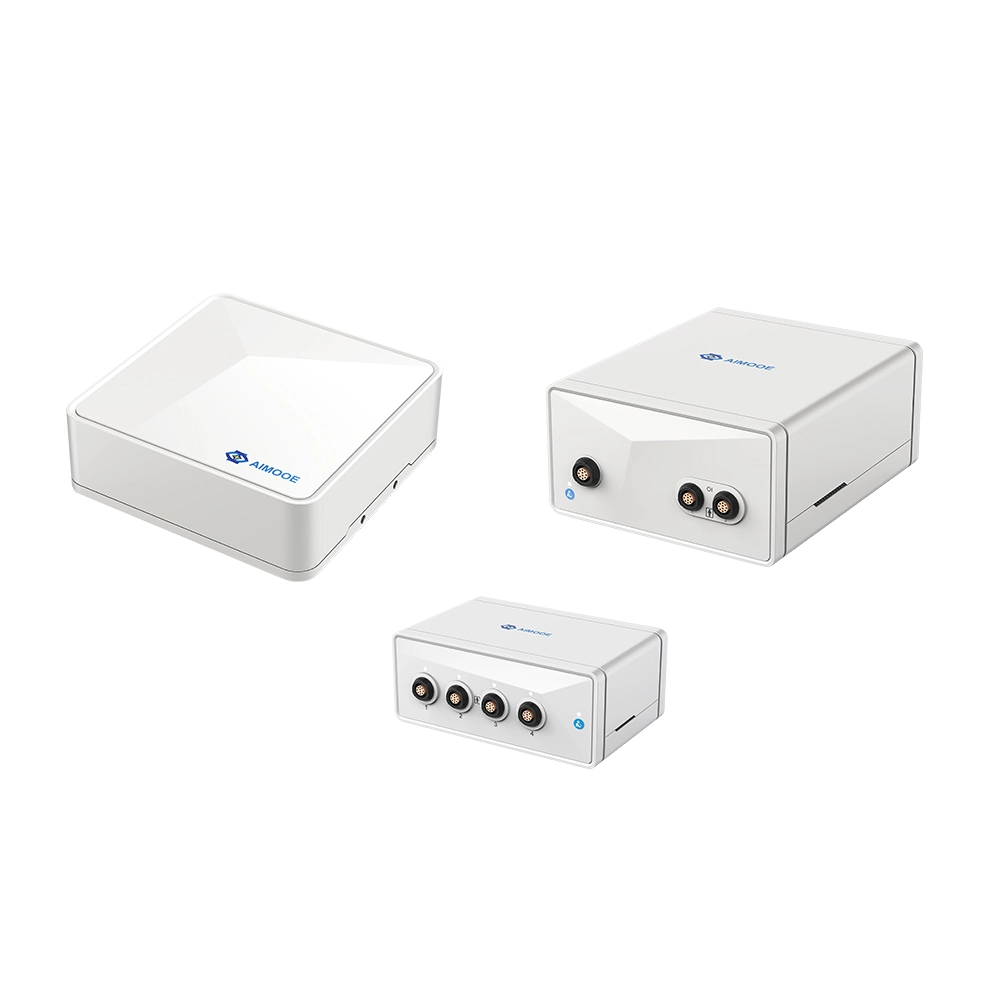
MagPilot is an electromagnetic tracking platform for buyers evaluating compact navigation hardware for robotic surgery programs, catheter and guidewire tracking, and OEM instrument integration. The published system structure includes a field generator, system control unit, sensor interface unit, and multiple sensor sizes for different tool and workflow requirements.
For procurement teams comparing a medical tracking system manufacturer, MagPilot presents a practical component-level architecture and a compact hardware footprint that can be reviewed before prototype planning. It is also relevant for sourcing teams screening an electromagnetic tracking system supplier for projects that need precise tracking in spaces where optical line-of-sight may be difficult to maintain.
The product page also points to integration value in endoscopes, catheters, ultrasound probes, and robotic-assisted surgical workflows, making it suitable for distributor evaluation, engineering review, and project-level sourcing discussions.

Description
MagPilot is presented as a flexible electromagnetic tracking system for non-invasive instrument tracking in twisted anatomical paths and compact robotic assemblies. The product copy highlights sub-millimeter tracking performance, real-time position feedback, and sensor formats that can support needles, catheters, endoscopes, and other devices that need reliable spatial data during integration and procedure planning.
Product Specifications
| Parameter | Details |
|---|---|
| System name | Electromagnetic Tracking System | MAGPILOT Series | Standard Version |
| Field Generator size and weight | 192 x 192 x 60.4 mm, 1.5 kg |
| System Control Unit size and weight | 216 x 170 x 90 mm, 1.8 kg |
| Sensor Interface Unit size and weight | 170 x 118 x 70 mm, 660 g |
| Sensor support | Selectable 5DOF and 6DOF sensors for different positioning requirements |
| System capacity | Up to four 6DOF sensors or eight 5DOF sensors per system configuration |
| Published sensor formats | 0.45 x 5.0 mm, 0.45 x 8.0 mm, 1.5 x 10 mm, and 20 x 4.4 mm, each with 2.0 m lead length |
| Named applications | Robotic-assisted thoracic surgery, guidewire and catheter tracking, interventional imaging, ENT workflows, FES surgery, and AI-based control projects |
| Integration note | The product page emphasizes compact hardware and flexible sensor integration for constrained medical and robotic assemblies |
Core Supply Advantages
The platform separates field generation, control, and sensor interface functions, which gives engineering buyers a clear starting point for workstation planning and integration review.
Core Supply Advantages
Multiple published sensor sizes and 5DOF or 6DOF options help project teams match the tracking configuration to needles, catheters, endoscopes, or robotic tools.
Core Supply Advantages
The site content positions MagPilot for both clinical navigation tasks and machine-control projects, which supports distributor sourcing and OEM platform comparison across more than one use case.
Relevant Technical Articles
These articles support sourcing teams that want more context on tracking system demand, magnetic tracking fundamentals, and robotic platform integration.
Demand Factors in Robotic Surgery Tracking Systems
A useful reading piece for buyers reviewing why surgical navigation tracking demand is increasing in robotic procedure programs and what that means for component selection.
Read ArticleCore Magnetic Tracking Technologies for Control Systems
This article helps engineering and sourcing teams review the technical ideas behind magnetic tracking, signal handling, and AI-based control alignment before sample discussions.
Read ArticleEM Tracking Integration in Modern Robotic Platforms
A practical reference for teams reviewing how electromagnetic tracking hardware can be integrated into robotic platforms that need precise spatial feedback and compact system packaging.
Read ArticleVerified Procurement Feedback
Procurement-style comments below reflect the type of technical evaluation points commonly raised during sourcing review.
5/5 Rating
"The component breakdown was useful for our robotic catheter project because it let our engineering group assess field generator placement, sensor count, and enclosure impact before sample planning."
Senior Sourcing Engineer
Germany
5/5 Rating
"We compared several navigation hardware options and MagPilot stood out because the sensor formats and 5DOF or 6DOF choices were clearly stated for medical tool evaluation."
Medical Device Procurement Manager
United States
5/5 Rating
"For distributor screening, the named application range and compact hardware sizes gave our team a clearer way to match the system to customer inquiries in interventional and robotic programs."
Regional Product Director
United Arab Emirates
FAQ for Engineering and Sourcing Teams
These questions can help prepare a more efficient discussion before requesting samples or project-specific configuration details.
What is included in the MagPilot electromagnetic tracking system package?
The visible product information lists four core elements: a Field Generator that establishes the measurement volume, a System Control Unit that processes position and orientation data, a Sensor Interface Unit that digitizes sensor signals, and selectable sensors in different sizes for 5DOF or 6DOF tracking requirements.
How can engineering teams choose between 5DOF and 6DOF sensors?
The product description states that 5DOF sensors are suitable when spin freedom is not required, such as some needle-based workflows. Teams that need full position and orientation tracking for tools or assemblies should review the 6DOF option and confirm the required motion model, fixture design, and software handling during integration planning.
Is MagPilot suitable for minimally invasive tracking workflows?
Yes. The product page positions MagPilot for flexible integration into endoscopes, catheters, ultrasound probes, and other medical devices used in constrained anatomical paths. Buyers should still confirm device geometry, target working volume, and environmental conditions against the intended project requirements.
What hardware dimensions should buyers review before system integration?
The listed dimensions are 192 x 192 x 60.4 mm for the Field Generator, 216 x 170 x 90 mm for the System Control Unit, and 170 x 118 x 70 mm for the Sensor Interface Unit. These values help engineering and sourcing teams plan mounting space, workstation layout, cable routing, and enclosure allowances before sample ordering.
What application areas are named on the MagPilot product page?
The visible site content references robotic-assisted thoracic surgery, interventional radiology and imaging, guidewire and catheter tracking, ENT workflows, FES surgery, and broader machine control or AI-based automation projects. Final suitability should be checked against the project-level validation process.
What should a buyer prepare before requesting a MagPilot quotation?
A useful quotation request should include the target application, preferred sensor degree of freedom, expected tool count, device form factor, host system requirements, project quantity, destination region, and any documentation or sample evaluation needs. This helps the supplier respond with a configuration aligned to the actual integration plan.
